Common Place Molds Usually Grow

All homeowners need to get periodic mold tasting to guarantee their residences are safe for habitation. Mold can be harmful to humans and pets and can likewise damage houses. Getting routine testing can prevent health issues and mitigate structural problems. Here are the top four locations where mold is commonly discovered.

Carry Out Mold Sampling in These 4 Places
1. Restroom
Mold tends to grow in damp environments. Condensation from the shower can cause mold to form on windows and windowsills in addition to walls and ceilings. Other locations to inspect consist of under the sink and along the edges of the tub or anywhere else where water might have pooled to form mold.
2. Cooking area
Mold frequently grows on old food. Inspect your fridge for forgotten leftovers or takeout and toss anything questionable. You can likewise carry out mold sampling under the sink to assess if any leakages or food crumbs have triggered mold development.

3. Attic
If your roofing has water concerns, you’ll likely discover mold growing on any wet walls or insulation. To prevent attic mold, be sure your home has ample ventilation. Getting a fan to function as a vent and cycle air outside is one method to decrease moisture content. If you do mold sampling before utilizing a fan and after, you’ll be surprised at the improvement.

4. Basement
Many basements have water issues from leaks in the walls or flooding throughout heavy rains. This wetness can create mold near drainpipes and on floorings and walls. Furthermore, people with basement laundry systems often establish drying lines near to the cleaning device. While not running the dryer conserves cash on electricity, the clothes can grow mold if the wet air can’t escape.

10 Things You Should Know If The Mold Removal Contractor Is Qualified and Experienced

The core problem with this industry in the United States is the fact that there is very little policy, which means that any contractor can provide mold inspection or mold removal services. Click here to visit our website about mold removal services.

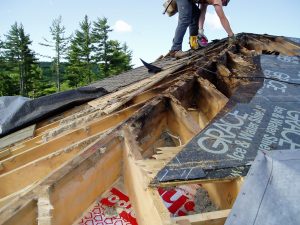
Some states require licensing, which is terrific, however, if you reside in a location without licensing requirements, this can create an environment where inexperienced, inexperienced, and inexperienced contractors can offer mold removal services. For instance, in the picture above, the worker is not using a protective suit and proper respirator and getting rid of mold with what seems a spray bottle and likely bleach.

This produces a situation where an easy mold problem could be made worse because the contractor did not know what they were doing.

So, how do you know if the contractor you call is certified to remove mold from your home or business?

The purpose of this post is to list and discuss the leading 10 clues that the mold removal contractor you called might not have the training or experience to correctly remediate your mold problem. Education is crucial to taking control over the procedure of working with a contractor!

# 1: The Contractor Concludes You Have Mold Without Providing A Valid Explanation Or Investigation Further!

Really? How does the contractor know? You understand there is a problem if the contractor declares you have mold without doing any testing of the area.

# 2: The Contractor Fails To Explain How They Will Test For Evidence Of Mold!

Considering that there are several kinds of tests, you require someone who uses the right sort of test to assess whether you have a problem.

Tape testing, swab testing, air quality, and ERMI testing are some tests that are used to determine if you have a mold issue. Ensure that you work with a qualified mold inspection specialist who understands how to test whether you have a mold problem so that a proper procedure can be put in place.

This is very important! Without the ideal sort of test, at the end of the job, you won’t understand if the mold problem was properly rectified.

# 3: The Contractor Does Not Want Their Work To Be Verified By A Third Party!

If you start dealing with a contractor and they do testing and find mold, make sure you ask them how the quality of their work will be confirmed. Mold Inspection of Austin will always suggest a 3rd party to test our work. The testimonial listed below is from a mold tester that we often refer clients to.

To sum up, here are the three crucial reasons you must invest in Pre and Post testing:

So you know if you have a problem that requires remediation. Testing will validate this!
So that you understand at the end of the job a clearance test informs you if you got what you spent for. A lot of times mold damage is evident, so it’s all right to waive the very first test. However, the final clearance test provides defense from mold scams and assurance that your house or company is safe.
Finally, because it’s part of the IICRC recommended basic for mold removal!

# 4: The Contractor Gives You A Price Quote Without Doing A Formal Site Inspection!

Believe it or not, some contractors will provide you a quote over the phone without even visiting your house or service.

If you get a cost over the phone, absolutely keep away from this contractor for 2 key reasons:

One of the objectives of reputable mold removal contractors is to determine the moisture source that is triggering the problem. How can a contractor offer a quote without understanding this?
Most importantly, how can a quote be offered unless an actual site visit and inspection is done to understand the complete degree of the mold damage.

# 5: The Contractor Refuses To Provide Evidence Of Training!

Before you dedicate to working with any mold removal contractor, always ask if they have specialized training. Mold removal is thought about a profession because professionals buy specific training through companies like the IICRC, RIA, CMRS, and so on. Constantly discover the training and experience.

# 6: The Contractor Does Not Provide You With A Detailed Estimate!
You must never work with a contractor that offers you a one-line estimate that just specifies “mold removal” and after that the “cost”. Demand an in-depth written quote so you understand precisely what you are paying for.

If you don’t require a detailed price quote you may face other charges when the contractor shows up to do the task. Some contractors provide very little detail in the quote because they want to up-sell or up-charge you for other work.

# 7: The Contractor Wants 100% Of Payment Before The Job Starts!

If you are comfortable with the contractor and have correctly pre-screened and done your due diligence and have a signed agreement, you might be asked for a deposit to cover some of the expenses for doing your mold removal job.

Nevertheless, if the contractor requests for 100% of the payment in advance, you may wish to reconsider hiring this contractor because you will have very little option if the job is refrained from doing right.

We advise that the last payment be made when all the work, according to the signed contract, is complete and you have a successful Post-Clearance test that guarantees you that the task was done effectively and the indoor air of your home or service is healthy.

# 8: The Contractor Gives You An Unbelievable Low Price!

Mold removal can be costly because professionals follow detailed actions to make sure that it is done effectively and to prevent contaminating other areas of your residential or commercial property.

If you get 3 quotes and one quote is a lot slower than the others, keep in mind that “you get what you spend for”. In short, the cheapest cost is not the very best sign of skilled service. Rather, it generally shows the reverse.

# 9: The Contractor Attempts To Pressure You Into Making A Decision Using Scare Tactics!

Discovering mold in your house or business can be frightening. Because of this, some contractors act like predators, using scare techniques to close the sale on their next prospective victim.
The key point to keep in mind if you discover mold is not to panic or get too stressed out. Stay focussed on discovering the best-trained contractor to handle your mold concerns.

It is important to comprehend that we are surrounded by mold all the time because it remains in our environment and part of the eco-system to break down dead organic material. Mold is nature’s recycler and will constantly be an issue when it is growing inside your home because the spore counts will increase to unhealthy levels.

# 10: The Contractor Recommends Bleach!

Avoid mold removal contractors that advise making use of bleach for your mold removal job. Bleach does not work and is not recommended by knowledgeable market experts.

We do not suggest bleach for three essential reasons:

Bleach does not deal with the reason for the mold issue!
Bleach threatens!
Bleach evaporates!

One last point. Mold will just grow if there is wetness, ie. a water source. The crucial to long-lasting mold avoidance is to very first identify the source of wetness. With this in mind, make certain you work with a contractor who will do this before any mold removal activities start. If the source of the wetness isn’t identified and corrected any mold removal activities will be squandered effort. Visit https://moldremovalsanantonio.com/for more mold inspection services info.

Air Conditioner Can Make You Sick

Among the core causes of mold is high humidity levels. Your air conditioning unit works at minimizing humidity levels and keeping healthy levels of 30% to 50%. Sadly, if your ac system is not preserved properly, it can be a source of mold. This post discusses why your air conditioning unit could be a source of mold contamination and what you can do to fix it. Click here to visit our website to know about mold removal services.

The HVAC System Is Your Home’s Lungs

HEATING AND COOLING is an abbreviation for Heating, Ventilation, and Air Conditioning. The function of the HVAC system is to provide healthy indoor air quality by eliminating wetness, odors, smoke, heat, dust, airborne bacteria, and carbon dioxide, and replace it with clean air.

Ventilation is the most important part of your HVAC system because its primary function is to circulate the air within the home and preferably is continuously introducing outside air into the system. The duct in the HVAC system enables it to flow the air throughout the whole home. Correct upkeep of your HVAC system is necessary to guarantee that your indoor air quality is optimal. Visit our website https://moldinspectionsanantonio.net/

Failure to change filters is the number one mistake that homeowners make. Filters need to be replaced regularly since they prevent pollen, pesticides, and other toxins from going into the home. As soon as toxins, dust, and other debris enter into the ductwork, mold can start to grow because it now has a food source. Mold will only begin to grow if there is moisture. Once mold spores enter the a/c system, alternating high and low humidity conditions will help grow, spread, and disperse the spores throughout the house.

Health indications that you might have mold in your AC system consist of the following:

– Frequent colds

– Stomach discomforts

– Ear infections

– Frequent headaches

– Allergic reactions

– Asthma

– Coughing

– Sneezing

Wheezing

– Itchy skin

– Sore nasal passages

– Irritated throat

– Watery eyes/dry eyes

– Hypersensitivity

– Skincare problems

A lot of these symptoms are likewise associated with over-exposure to a/c which causes mucous membranes to dry, causing colds, upper respiratory infections, dry skin, nose bleeds, and flu-like signs consisting of tiredness, headaches, dizziness, and breathing difficulties.

Mold can be prevented in your a/c unit and HVAC system. Once you have the system professionally serviced and cleaned, these standards will help prevent future issues

  1. Constantly keep indoor humidity levels between 30% and 50% by getting a humidistat set up and set at the ideal level.
  2. Follow maker’s recommendations and clean or change your unit’s air filter because these are designed to prevent the spread of germs and infections. Failure to effectively clean and replace filters will enable contaminants to develop and get caught in the filter and distribute into your indoor air.
  3. Service your HVAC system every year.
  4. Turn off your system and open the windows during cooler periods to generate more fresh air. Adequate ventilation is vital to minimizing indoor impurities.
  5. Install an air cleaner on your central heating and a/c system to ensure a continuous stream of tidy air.

Constant use of your Air Conditioner is very important because it reduces humidity levels which is moisture that mold needs to prosper. Nevertheless, like any home appliance, you need to appropriately service and preserve your A/C unit to make sure that it is running efficiently and does not end up being a source of indoor contamination. Preventative maintenance is the key.

Impact Of Indoor Air On Health

The majority of people are uninformed that their indoor air could be polluted.

We invest 90% of our time inside, relying on our HVAC systems to produce a consistent stream of healthy air.

  1. According to the EPA, indoor air quality is among the top environmental dangers to public health.
  2. 60% of all houses and structures have bad air quality.
  3. According to the EPA, contamination indoors is around 2 to 5 times even worse than outdoors.
  4. 1 out of 10 Americans never change the filters on their heating and cooling systems.
  5. Particle matter in indoor contamination irritates the respiratory tracts and lungs, triggering allergies and impairs breathing.
  6. Babies inhale the equivalent of four cigarettes a day crawling on the floor because they are breathing in chemicals from carpets, mildew, fungi, allergen, and mold.
  7. 80% of Americans are exposed to indoor allergens, including allergen and pet dander that triggers allergic reactions.
  8. About 1 million people in the world pass away each year from persistent obstructive pulmonary disease triggered by poor indoor air quality.
  9. About 2 million individuals on the planet pass away each year from diseases attributable to indoor air quality.
  10. Almost 3 billion people on the planet are at risk because of indoor air pollution. Visit our website https://moldinspectionsanantonio.net/ to learn more about mold inspection services.

Your health depends on the quality of the air you breathe.

Indoor air pollution is not noticeable to the naked eye, indicating the quality of your air could be making you ill without you even knowing it.

Regardless of your efforts to keep a tidy and healthy family, you still may be getting sick because of indoor pollutants.

Leading 10 Causes Of Poor Indoor Air Quality?

Infected air can permeate in from the outdoors or could be brought on by indoor sources like construction products, consumer items, mold, pests, and animals. The impact of pollutants is intensified by bad ventilation which enables pollutants to collect to unhealthy levels. Click here to view our website about mold removal services.

Poor indoor air quality in your house or service could also be caused by aspects such as the structure style, heating/cooling style, and/or previous water damage.

Other potential causes of poor indoor air quality consist of the following:

  1. High humidity levels.
  2. Airborne dust issues from inadequately preserved ducts or other sources in the structure.
  3. Unpredictable Organic Compounds (VOCs) are chemicals released by building materials and furnishings.
  4. Inadequate ventilation triggered by mechanical or building concerns.
  5. Combustion problems causing high levels of Carbon Monoxide (CO) or Carbon Dioxide (CO2).
  6. Drain gas leakages, causing smells.
  7. Recurring water damage, causing the development of mold and other bacteria.
  8. Radon, the 2nd highest reason for lung cancer, probably permeating through the structure in your basement.
  9. Radioactive marble or granite in the home.
  10. Airborne asbestos, a cause of mesothelioma.

Our bodies are developed to rid ourselves of toxic substances and contaminants, this is one of the reasons that we get sick and experience colds and flus.

Nevertheless, if you or others in your family constantly seem to be sick, the air you are breathing could be the cause.

Do you consistently have these health issues?

– Headaches;

Respiratory problems such as asthma, sinus problems, and other breathing infections such as bronchitis and pneumonia;

– Excessive coughing and/or a breathless feeling;

– Dizziness, confusion, despair, difficulty concentrating, and other cognitive disorders;

– Skin irritation, itching, and rashes;

– Ear and/or eye infections

If you regularly experience these symptoms, the air you are breathing could be the cause.

Mold Affects Your Brain?

On the surface, it would appear that the Brown research study is anecdotal since it failed to take real tests of the mold to confirm the species and spore count. This is among the greatest criticisms of the research study. That being stated, this research study does show a link between the house’s environment and the mental health of the occupants. Mold removal services must be considered.

To further demonstrate the link in between mold and depression, one can also take a look at real testimonials of people that have experienced mold illnesses. In 2015, Wonder Makers Environmental, a Michigan based environmental company, introduced a site, committed to educating remediation contractors, doctors, and patients about mold. One of the objectives of the site was to speak with poisonous mold survivors and tape their answers to a series of questions.

One of the typical styles in each interview was the sense of despondency and depression that they all felt because of the persistent exposure to the mold, mold inspection services is a must have. Mold does affect one’s brain and continued exposure to mold adds to symptoms of anxiety. These are a few of the signs reported by survivors, whose brains were affected:

” My ears were calling and it felt as if my head will take off.” (Sandy Wolfe: Mold Survivor).

” I had stress and anxiety, brain fog, memory and cognition issues, difficulty concentrating and speaking.” (Beth Jarret: Mold Survivor).

” I established chronic headaches and migraines, tiredness, muscle weak point, dizziness, memory concerns, and mood swings.” (Mary DeBoer: Mold Survivor).

” I had blurry vision, sleeping disorders, rage, anxiety, anxiety attack, sounding ears, jerking muscles, hallucinations, dizziness, and headaches.” (Amy Nix: Mold Survivor).

” The very first sign that alerted me that something was wrong was the sensation of crawling on my skin together with ice pick/pinprick discomfort in random locations. Quickly after, I noticed that I had the failure to remember words, slurry speech, memory loss, and an overwhelming tiredness. Other symptoms consisted of vision disruptions, irritation and extreme depression. (Hilesca Hidalgo: Mold Survivor).

” I had burning eyes, headaches, discomfort in my arms and legs, balance concerns, impaired cognitive abilities, and vision issues.” (Kelli Hamilton: Mold Survivor).

The Brown University research study cited earlier was launched in 2007 and was deemed fairly anecdotal at the time of its release because it was based upon a concern and response survey and after that visual clues of mold, implying the conclusions were based upon some subjective judgment. Ever since there has been even more scientific research study to show the link between mold and anxiety.
Dr. Ackerley’s article offers much detail on the link between mold and brain conditions, which should be read by anyone that wishes to explore this topic further.

In layman’s terms, the easiest explanation of how mold impacts the brain is as follows:
1. Toxins launched by mold, mycotoxins, can pass straight into your brain.
2. The mold enters your body when you breathe the spores and even enters your body through the optic nerves and muscles in your eyes.
3. When you are exposed to mold it will enter your body through your nose and eyes using your olfactory nerve cells which directly interact with your brain.
4. When the mold contaminants remain in your brain, it triggers neuroinflammation and effects the function of the frontal cortex of the brain which is the pleasure center of the brain that rules emotion, which in turn causes anxiety signs.

Is Mold Has To Do With Having Asthma?

Babies who are exposed to mold in their living environments have almost a 3 times greater risk of becoming asthmatic than those who did not have comprehensive mold direct exposure in their very first year of life. (Medical Proof that Links Mold Exposure to Illness Keeps Piling Up).

There have been 4 essential research studies that have researched the relationship between mold and asthma. The very first research study was carried out in Finland in 2001, followed by 3 other studies between 2012 and 2014 in the United States, Taiwan, and the United Kingdom.

In a 2001 research study, Dr. Maritta Kilpelainen at the University of Turku in Finland found a link between mold and illness. Her study surveyed 10,000 students about the dampness of their homes and inquired to report back on colds and other respiratory conditions.
The research study made the following conclusions:
1. Trainees who reported having noticeable mold in their homes were more than twice as likely as others to have asthma. Musty houses were likewise connected to an almost 50% increase in the odds of having at least 4 colds in a year.
2. Trainees whose houses harbored visible mold or water damage were also at a rather higher risk for other infections such as bronchitis and pneumonia.
3. Moisture in the house “a minimum of preserves” asthma signs, and may also improve a person’s vulnerability to colds and other respiratory infections.
4. Mold is an irritant, it is a recognized trigger of asthma attacks since it triggers swelling in the upper respiratory system and, for that reason, makes individuals more vulnerable to colds.

In 2013, the New York City Housing Authority (NYCHA) was taken legal action against by homeowners that implicated the agency of breaching the Americans With Disabilities Act by not appropriately dealing with wetness issues that triggered mold, exacerbating respiratory conditions of locals, especially children. It is very important that mold inspection services must be considered.

A documentary produced by NBC Dateline, called Breathless, enhanced the reason for the residents who argued that consistent wetness in their public housing was triggering mold issues that caused asthma attacks in their kids.
NYCHA settled out of court and accepted the following:
1. Address wetness as the source of mold.
2. Respond to grievances promptly.
3. Recognize mold and wetness as a health risk.
4. Recognize asthma as a disability and to make lodgings for occupants with the condition.

This is a historical agreement because it recognizes the causal link between mold and asthma.
A study released in the clinical journal Thorax concluded that mold remediation– the removal of visible mold– improved breathing diseases.
Asthma and rhinitis symptoms and the use of medications to treat them were minimized in clients who participated in a randomized controlled trial to see if removing noticeable household mold would alleviate their symptoms.
Ideally, the ecological reasons for asthma may one day be attended to by medical insurance companies that see the benefits of mold removal as an asthma preventative procedure.

Levels of Mold Remediation

There are 5 levels of mold remediation that you must utilize to direct you on when to get an expert mold remediation company or just take care of the issue yourself.

Mold Remediation: Level 1 – Small isolated area (10 square feet or less).

At this level, you can take care of the mold contamination on your own for this reason saving you the cash that you might have spent on a mold remediation company. This level categorizes small infections that are generally discovered on ceilings and little locations on the wall. Mold remediation can be carried out by routine building maintenance however those doing this task must keep in mind to use individual protective garments such as a glove, disposable respirator, and eye defense. The workspace and the nearby areas ought to be unoccupied. Containment can be done by simply misting the polluted area prior to remediation. After cleaning up the area with a moist cloth and getting rid of products that can not be cleaned from your home, you must let it dry completely to prevent further mold development. Consider expert mold testing for your home.

best mold inspection in Austin

Level 2 – Midsize isolated locations (10-30 square feet).

The same protective steps in level 1 should be also taken when dealing with mold remediation at this level. After getting all the materials that have mold in plastic bags that are tightly sealed you should and the mold polluted location is completely cleaned up with a wet fabric the location ought to be vacuumed with a HEPA vacuum.

Level 3 – Big separated locations (30- 100 square feet).

At this level, mold pollutes patches on the wall the exact same preventative measures applied in level 1 and level 2 must likewise be applied in level 3. In addition to these precautions, use plastic sheets to seal all the air motions around the workspace and places adjacent to it. Vacate all the residents in the work area along with the surroundings. All locations must be completely dry and noticeably free from mold.

Level 4 – Extensive contamination (more than 100 square feet).

At this level, health and safety experts who are trained in mold investigations (mold remediation) should be consulted prior to the mold remediation process begins. Every individual that will be operating in the plagued location must put on protective garments that are disposable to prevent mold spore from infecting other parts of your house. The working area must likewise be totally isolated from the rest of the house. All the openings must be total since mold is airborne. Before reoccupying the make certain that air tracking is carried out to validate if your house is safe for you to return in. Hire a mold remediation company near me.

Level 5 – (Air Conditioning Unit and HEATING AND COOLING Systems).

If only a little part of the air conditioner is plagued by mold then you can manage this problem using the steps in levels 1 and 2. Nevertheless, it is suggested that all mold invasion in air conditioners and HVAC systems ought to be delegated the professional mold remediation business who ought to follow the preventative measure procedures in levels 1 through to level 4. In addition to these, the employees ought to shut down the A/C system prior to starting with the work and remove any product that is supporting the growth of the mold in the system and seal it in a plastic bag. They should likewise use antimicrobial representatives that are developed to prevent the development of the mold.

Bleach For Mold Removal?

Can you eliminate mold with bleach?

Do NOT utilize Chlorine bleach to eliminate mold or disinfect musty locations. Hire a mold removal company instead. It is not a reliable or long-lasting killer of mold and mold spores. Bleach is great just for altering the color of the mold and watering the roots of the mold. CHLORINE BLEACH IS INEFFECTIVE IN KILLING MOLD FOR THESE REASONS:

( 1) The object to killing mold is to kill its “roots”. Mold removal involves the requirement to decontaminate wood and wood-based building products, all of which are permeable products. Thus, chlorine bleach needs to not be utilized in the mold removal procedure. The use of bleach as a mold disinfectant is finest left to kitchen and bathroom counter-tops, tubs and shower glass, and so on

( 2) Chlorine Bleach does eliminate bacteria and viruses, however, it has not been proven reliable in killing molds on surface areas that are not permeable. 99% of a bottle of bleach in water. Water is one of the important components necessary for the development of damaging bacteria and mold. Existing scenarios where bleach was used in an attempt to eliminate mold, it re-grew and regenerated mold and germs twice the CFU counts than were originally discovered before bleaching, within a short period. Like an old spouse’s tale, we’ve been led to believe that utilizing bleach will eliminate some bacteria and mold. It’s what we gained from our moms and dads and has carried on this mistaken belief for several years. The strains now associated with Indoor Air quality problems are resistant to the approaches our grandmothers used to clean-up mold.

Austin mold removal

( 3) What capacity mold “eliminating” power chlorine bleach might have is lessened considerably as the bleach beings in warehouses, on grocery store racks or inside your home or service. Bleach loses 50% of its eliminating power in just the first 90 days inside a never opened container or container. Ultraviolet light breaks down the Chlorine which is constantly getting away through the plastic walls of its containers.

( 4) The ionic structure of bleach prevents Chlorine from permeating into porous materials such as drywall and wood, it simply stays on the outdoors surface area, whereas mold has enzyme roots growing inside the permeable contraction materials, nevertheless, the water material penetrates and FEEDS the mold. This is why a couple of days later on you will see darker, more focused mold growing on the bleached location.

( 5) Chlorine Bleach accelerates the wear and tear of materials and breaks down the fibers of permeable materials.

( 6) Chlorine Bleach is NOT a registered EPA disinfectant designed to kill mold. You can verify this essential reality on your own when you are unable to find an EPA registration number for eliminating mold on the label of any brand name of chlorine bleach.

( 7) Chlorine bleach off-gases for an amount of time. Chlorine off-gassing can be harmful to human beings and animals. It has been understood to trigger lung embolisms in low resistant and vulnerable people.

( 8) Chlorine bleach will evaporate within a brief period. If the bleach vaporizes and the surface area is still damp, or moisture is still in the infected location (humidity, outside air dampness), you could have the contamination procedure immediately begin again and to a greater degree.

( 9) Chlorine is a key component of DIOXIN. Among the earliest findings of dioxin’s toxicity in animals was that it caused abnormality in mice at extremely low levels. This finding resulted in dioxin being characterized as “one of the most powerful teratogenic ecological agents”. The very first evidence that dioxin causes cancer originated from several animal studies completed in the late 1970s. The most essential of these, published in 1978 by a group of researchers from Dow Chemical Company, led by Richard Kociba, discovered liver cancer in rats exposed to extremely low levels of dioxin. This study helped establish dioxin as one of the most powerful animal carcinogens ever evaluated and, together with the finding of abnormality in mice, cause the basic declaration that dioxin is the “most hazardous synthetic chemical known to male.”

If Not Bleach, What Can I Use?

The Myth:

A Myth exists concerning the usage and “efficiency” of chlorine bleach (salt hypochlorite) in the mold removal procedure. Mold remediation involves the removal of mold and the disinfection of mold infected building materials. For a better understanding of mold removal check with the experts.

Opposing Views and Confusion.

Chlorine bleach, commonly described as laundry bleach, is typically viewed to be and be all to end all biocide to ease off mold in the removal processes. Does Bleach Kill Mold? Will chlorine bleach kill mold or not– yes or no? The response is yes, however with a caveat. That answer originates from The Clorox Company, Oakland CA, producer and supplier of Ultra Clorox Regular Bleach. Their Tech Department research studies supported by independent laboratories reveal that “3/4 cup of Clorox liquid bleach per gallon of water will be effective on difficult, non-porous surfaces versus … Aspergillum Niger and Trichophyton mentagrophytes (Athlete’s Foot Fungus)”, Whether or not chlorine bleach kills other molds and fungi, the company did not say. Their words “hard, non-porous” “surfaces” present the caveat. Mold remediation involves the need to disinfect wood and wood-based building materials, all of which are porous materials. The use of bleach as a mold disinfectant is best left to kitchen and bathroom countertops, tubs and shower glass, etc. An EPA registered disinfectant specifically designed as an anti-fungal is what you want.

Why Chlorine Bleach is NOT Recommended for Mold Removal? Chlorine bleach (sodium hypochlorite) is corrosive and that fact is stated on the product label. Yet the properties of chlorine bleach prevent it from “soaking into” wood-based building materials to get at the deeply embedded mycelia (roots) of mold. The object to killing mold is to kill its “roots”. Reputable mold clean up contractors use appropriate products that effectively disinfect salvageable mold infected wood products. Beware of any mold inspector or mold remediation company that recommends or uses chlorine bleach for clean up on wood-based building materials.

Chlorine Bleach is an Active Ingredient in New Mold & Mildew Products. The appearance of new mold and mildew household products on store shelves is on the rise. Most are dilute solutions of laundry bleach. The labels on these mold and mildew products state that they are for use on (again) hard, non-porous surfaces and not for wood-based materials. Instructions were not to apply the products are varied. One commercial mold and mildew stain remover even specifically states it should not be applied to porcelain or metal without immediate rinsing with water and that the product isn’t recommended for use on Formica or vinyl.

Caveat Emptor! Before purchasing a mold or mildew product, read and fully understand the advertised purpose of that product. The labeling claims on these new products can be confusing. Some say their product is a mold and mildew remover while another says their product is a mildew stain remover and yet others make similar ambiguous claims. Make sure that the product you chose satisfies your intended application and the surface you plan to use it on. If you intend to kill mold, make sure the product does exactly that and follow the directions for usage. Consumers may find that mixing their diluted bleach solution will achieve the same results as any of the new mold and mildew products. Keep in mind that the use of chlorine bleach is not for use on mold infected wood products including wallboard, ceiling tiles, wall studs, fabric, paper products, etc

Conclusion: laundry bleach is not an effective mold killing agent for wood-based building materials and NOT EFFECTIVE in the mold remediation process. The public should be aware; however, that chlorine bleach solutions are an effective sanitizing product that kills mold on hard surfaces.

Invest in Commercial Cleaners and Dazzle Your Clients With a Brilliant Workspace!

Perceptions matter in company. When your customers see your company properties they will certainly anticipate them to mirror your expert picture. Purchasing the know-how of industrial cleaners can aid to guarantee your work space is attractive and also tidy to every one of your site visitors.

Industrial cleaners can offer you with the professional cleaning company your organization requirements. From indoor office cleaning to light upkeep and also cars and truck valeting you can be certain your firm looks its best whatsoever times.

Commercial Cleaners

Why Choose a Reputable Cleaning Company?
· Resources – It makes extra economic feeling to make use of industrial cleaners when it comes to staffing. These cleaning solutions will certainly have a lot more sources in area as well as guarantee you have a cleaner onsite every day if called for.
· Experience – Professional cleaning is a cut over residential cleaning. It takes years of experience in cleaning to attain best requirements promptly and also successfully. Business cleaners can maintain residential properties looking just as good as brand-new as well as expand the life of your carpetings, floor covering and also soft home furnishings.

A leading cleaning business will certainly have spent thousands of extra pounds in high efficiency tools. It does not make feeling to spend in this for your company if you are just cleaning a modest office room.

Commercial Cleaners

· Products – Many cleaning items are just offered to those in the profession. Industrial cleaning solutions aid to stay clear of the need of saving as well as taking care of these chemicals on your home on your own.

Industrial cleaning business will certainly be able deal you the abilities and also the most advanced devices called for to maintain your residential properties in leading form (there are additionally business that identify the significance of making use of ‘eco pleasant’ cleaning items). These specialists can guarantee you are obtaining optimal outcomes for your organization cleaning as well as upkeep budget plan. · Experience – Professional cleaning is a cut over residential cleaning. Business cleaning solutions assist to prevent the need of keeping and also taking care of these chemicals on your building on your own.

Industrial cleaning business will certainly be able deal you the abilities and also the most innovative devices needed to maintain your residential properties in leading form (there are likewise firms that identify the significance of making use of ‘ecologically pleasant’ cleaning items). These professionals can guarantee you are obtaining maximum outcomes for your organization cleaning and also upkeep spending plan.

It is very important to contract out expert abilities that are not associated with your service. It can set you back a great deal a lot more for you to employ, train and also keep a team of cleaners for your office on your own. Leave this work to the experts and also offer your company a break.

Spending in the knowledge of industrial cleaners can assist to guarantee your work area is enticing and also tidy to all of your site visitors.

Office Equipment Design | Library Uses

Printers have come a long way over the past few years. Gone are the days when buying a printer meant buying a large, chunky device that needed its own table and could really only print. These days, you can buy a relatively inexpensive and sleek device that not only prints but also scans and occasionally faxes too.

Of course, there are quite a few of these all-in-one printers available. All the major printer companies, including HP, Canon, Epson, and so on, all make multiple all-in-one printers — and they’re not all going to be a good choice for your needs.

There are a few things to consider when buying an all-in-one printer. For starters, you’ll want to think about whether you want an inkjet printer or a laser printer. Inkjet printers are a little cheaper than laser printers on average, but you have to regularly buy ink. Laser printers still require you to buy toner, but much less frequently, so ultimately you may save money. There’s another trade-off and that’s that most laser printers can only print in black and white — which will be good for those who only plan on printing documents, but not so great for those that want to print things like photos.

There are quite a few options for those that want an all-in-one printer. That, however, is why we put together this guide. Here are the best all-in-one printers you can buy.book copier

  • Affordability
  • Energy and space efficient: units are sized for desktop
  • Intuitive: unprecedented ease-of-use with a touch-screen interface
  • Green: no or reduced paper, toner and ink usage
  • Output to USB, email, printer and cloud services
  • High image quality
  • Fast copy/scan speeds
  • Ultra-quiet operation
  • Lower physical maintenance requirements
  • Simple installation
  • Ability to add “pay as you go” features – particularly important in student, library, and clerk of court settings

Many libraries now just rent copiers for short times (2 to 3 years) due to a large number of copies they run.